Cancellation invoices that every accounting system understands
 Robert Reiz | November 08, 2026 | 11:09 UTC
Sabine runs billing at an agency. In October, invoice RE-2026-041 for €5,950.00 gross goes out to a customer as a ZUGFeRD invoice. Two days later it turns out the work belongs to a different project, so the invoice has to be cancelled.
Sabine creates cancellation invoice RE-2026-042 in ZEIT.IO. Until now, the customer's accounting system would read this from the file: the type "corrected invoice" (TypeCode 384), an amount of −€5,950.00, and no reference to the original invoice in the structured data. Formally, that's an invoice meant to replace another one, except with a negative total. A person looking at the PDF knows straight away what it means. Software has to guess.
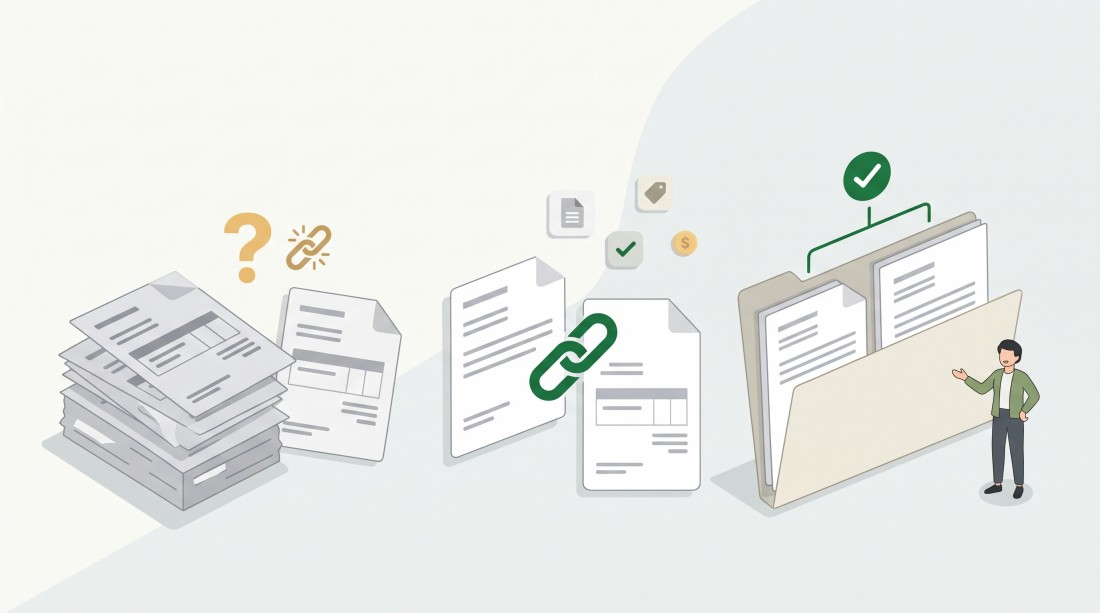
From now on, ZEIT.IO issues cancellation invoices from organisations as EN 16931 credit notes (TypeCode 381), with positive amounts and a clear reference to the cancelled invoice.
What changes now
The right document type in the e-invoice
A corrected invoice (384) replaces an invoice with an amended version. A cancellation does something different: it reverses the invoice. EN 16931 has type 381 for that, and this applies to both ZUGFeRD and XRechnung.
The document itself stays clearly named. Its heading is still "Cancellation invoice".
The cancelled invoice is now linked in the data
The e-invoice now carries the number and date of the cancelled invoice in the fields meant for them (BT-25 and BT-26), so the receiving system can match the cancellation to the original. These details were already on the PDF, but they were missing from the structured data.
Positive amounts, everywhere on the document
An EN 16931 credit note carries positive amounts, because the document type already says the amount is in the customer's favour. To avoid any contradiction between file and PDF during an audit, both show exactly the same values. That covers:
- quantities and line totals,
- the tax breakdown,
- totals and prepaid amounts,
- the preview you see under "New cancellation" when you create one.
Plain words instead of "Due payable amount"
Now that the amount is positive, the total on the PDF and in the e-invoice view reads "Cancellation amount (credited to you)", so nobody mistakes a cancellation for a request to pay. The early-payment discount notes from the original invoice no longer appear on the cancellation either.
Cancelled final invoices stay traceable
When you cancel a final or partial final invoice, the prepaid amounts already deducted are carried over. The cancellation then shows the same values as the original, including the prepaid row and the remaining amount.
What you should know as an existing customer
- New cancellations are type 381. If your accounting or reports use rules based on the TypeCode, please check them, and talk to your tax adviser if you're unsure about any change.
- The "Type Code" filter behaves differently. In the list of outgoing invoices, "381 - Credit note" now also shows new cancellations. "384 - Correction invoice" only finds older ones.
- Your customers will see positive amounts. If anyone relied on the minus sign to spot a cancellation, they should now look for the heading "Cancellation invoice" and the "Cancellation amount" field.
What stays the same
- Every cancellation invoice still gets its own new invoice number. The original invoice stays unchanged.
- Cancellations you've already created are left alone. They keep type 384 and their negative amounts.
- Your overviews add up as before. In the list of outgoing invoices, a cancellation still shows with a minus and offsets the original in the total. The totals and the handover to DATEV aren't affected.
- The change applies to organisations. Cancellations in the freelancer area stay type 384 with negative amounts, though they now also include the reference to the cancelled invoice.
- Payment details are still carried over. The bank details and any direct debit note from the original invoice still appear on the cancellation.
Why this matters
A cancellation invoice is rarely a big deal, until it gets stuck in your customer's accounting or raises questions in an audit. With the right document type, a reference to the original and identical values in file and PDF, it's clear what happened and what it relates to.
One cancellation, one message – for people and for software.